
Extra Time and Penalties at the 2026 World Cup: Everything to Know
When Does Extra Time Happen?
The 2026 World Cup has two distinct phases with different rules:
Group Stage (June 11–27): Each team plays three matches. A draw earns one point for each team. Matches can end 0-0 or 2-2 or any tied score — the game simply ends at 90 minutes plus stoppage time. There is no extra time in the group stage. This is important for MetLife planning: the five group stage fixtures at MetLife (June 13, 16, 22, 25, 27) will end within approximately 105 minutes of kickoff regardless of the score.
Knockout Rounds (June 30+): Every match must produce a winner. If a match is tied at 90 minutes, two additional 15-minute periods are played (extra time). If still tied after extra time, a penalty shootout determines who advances. This applies to all MetLife knockout matches: Round of 32 (June 30), Round of 16 (July 5), and the Final (July 19).
How Extra Time Works
Extra time consists of two periods of 15 minutes each with a short break (usually 5 minutes) between them. Players are exhausted by this point — they've already played 90+ minutes in summer heat. Tactics shift: managers make substitutions to bring on fresh legs, defensive teams try to stay organized long enough to get to penalties, attacking teams push for the golden goal that ends it early.
There is no "golden goal" rule in 2026 — even if a team scores in the first period of extra time, the full 30 minutes is played out. This was a rule that existed briefly in World Cup history but was abolished.
How a Penalty Shootout Works
If the score is still level after 30 minutes of extra time, the match is decided by a penalty shootout:
- A coin toss determines which team shoots first and which end of the pitch is used.
- Each team nominates 5 penalty takers (any 11 players on the pitch at the end of extra time, plus the goalkeeper can take one).
- Teams take turns shooting alternately. The goalkeeper must remain on their goal line until the ball is kicked.
- After 5 rounds each, the team with the most goals wins. If tied (e.g. 3-3), the shootout continues in sudden death: one shot each, until one team scores and the other misses in the same round.
- Any outfield player who has been substituted off cannot take a penalty; outfield players still on the pitch can be replaced by the goalkeeper for the shootout if needed.
What a Penalty Shootout Feels Like in the Stadium
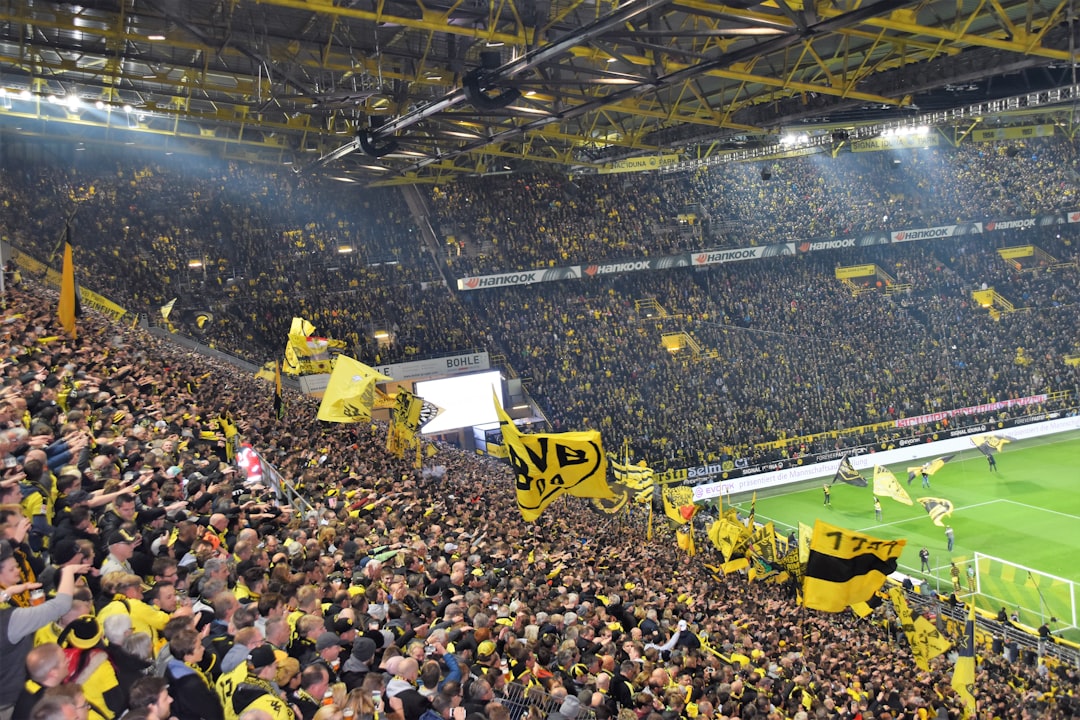
There is nothing in sport quite like a World Cup penalty shootout. The stadium holds its breath in a way that 90 minutes of normal football cannot produce. Every step a player takes toward the ball feels amplified. Every save or miss produces a reaction from 82,000 people that is physical — you feel it in your chest, not just hear it. The anxiety of watching a player you care about walk up to take a penalty in a World Cup is genuinely unlike any other experience in sport.
If you are at a MetLife knockout match and it goes to extra time and penalties: do not leave to catch a train. This is the decision people regret. NJ Transit runs continuously after the match. You will get home. Missing a World Cup penalty shootout to catch the 10:47 train is the wrong choice every time.
Stoppage Time — What Is It?
At the end of each half, the fourth official (the official with the electronic board on the touchline) raises a board showing additional minutes to be played beyond 90. This "stoppage time" or "injury time" compensates for time lost during the half due to goals, substitutions, injuries, VAR reviews, and time-wasting. At the 2022 World Cup, FIFA mandated unusually long stoppage times — some first halves saw 10+ minutes of added time. Expect the same in 2026. A match is not over when the 90th minute shows on the stadium clock.
VAR — Video Assistant Referee
VAR is the video review system used at World Cup matches to check decisions on goals, red cards, penalty decisions, and cases of mistaken identity. When a review is happening, the referee makes a TV-screen gesture with their hands and a review begins. The process takes 1-5 minutes typically. VAR reviews contribute to stoppage time. When a decision is confirmed or overturned after a VAR review, the crowd reaction — whether outrage or relief — is one of the most intense moments in a stadium.
Get World Cup Tickets
Find tickets for World Cup matches at MetLife Stadium.