
Jackson Heights, Queens: The World Cup Neighborhood
The 7 train in Queens passes through one of the most extraordinary sequences of neighborhoods in global urban life: Flushing (the largest Chinatown outside Manhattan), Corona (the densest Mexican neighborhood in NYC), Woodside (Irish and Filipino), and Jackson Heights. Between 74th and 86th Streets on Roosevelt Avenue, Jackson Heights is not one community but several layered on top of each other — Colombian, Ecuadorian, Argentine, Bangladeshi, Indian, Nepalese — producing a street that is simultaneously many different neighborhoods depending on which door you walk through.
For the World Cup, the South American layer is the one that defines everything. Colombia, Ecuador, and Argentina all have major presences here. When these three nations are competing — and in 2026, all three are at the World Cup — Roosevelt Avenue becomes a South American city street with the Manhattan subway overhead and New York City outside the frame.
Roosevelt Avenue — Understanding the Street
🇦🇷 Get your Argentina jersey
Official Adidas · Ships with Prime
The 7 train runs elevated above Roosevelt Avenue, casting the street in shadow during the day and neon at night. The noise of the trains, the noise of the restaurants, the noise of the crowds outside watching matches on screens through open windows — it all combines into a specific urban sound that you can't find anywhere else in New York.
The commercial strip between 74th and 86th Streets has: sports bars with multiple screens, restaurants open 24 hours, street vendors selling empanadas and arepas from carts, bakeries selling pan de bono and Colombian pastries, dollar stores selling Colombia and Ecuador jerseys before major matches, and at key moments, impromptu street celebrations that block the avenue and require the police to redirect traffic.
The Colombia Community
La Pequeña Colombia (83-27 Roosevelt Ave) has been the emotional center of Colombian New York since 1984. It is a restaurant, a community space, and a statement — "Little Colombia" — about what this neighborhood has been for 40 years. The bandeja paisa ($20) is one of the great restaurant dishes in New York: steak, chicharrón, rice, beans, avocado, plantain, sausage, and an egg on one plate. Order it. The match-day atmosphere at La Pequeña is specific to the community — the waitstaff know the regulars, the television is always tuned to the relevant match, and when Colombia score the room becomes something other than a restaurant.
El Gauchito and several other Argentine-Colombian fusion spots on the avenue and side streets serve the South American community more broadly. The Argentine contingent in Jackson Heights is smaller than the Colombian and Ecuadorian communities but present — look for the Argentine flag above certain cafés and restaurants.
The Ecuador Community
Ecuador's community in Jackson Heights is centered slightly further west on the avenue — around 74th-80th Street — and on 37th Avenue. The Ecuadorian version of the street is slightly different from the Colombian: more Oaxacan-influenced, more coastal seafood influence, and the ceviche is a different preparation (tomato-based, served with popcorn and chifles rather than the Peruvian lime-cured version).
Birria-Landia started in Jackson Heights and is a Jackson Heights institution. Technically Mexican in inspiration (birria) but adopted completely by the neighborhood's South American community. The birria tacos — braised beef, crisped on the comal, served with consommé for dipping — are among the best tacos in New York City regardless of category.
Arepa Lady — The Legendary One
María Piedad Cano, known as the Arepa Lady, began selling arepas de chócolo (sweet corn arepas) from a cart on Roosevelt Avenue in 1997. The cart operated limited hours — early morning before work, early evening after work — and became one of the most beloved food experiences in Queens. The business expanded to a restaurant but the cart still operates, and the arepas are still made the same way: thick, sweet, filled with cheese, cooked on the griddle. The hours are 6-8am and 5-8pm approximately. On South American World Cup match days, the cart arrives early and sells out fast. This is the best $8 you can spend in Jackson Heights.
The Match Day Experience
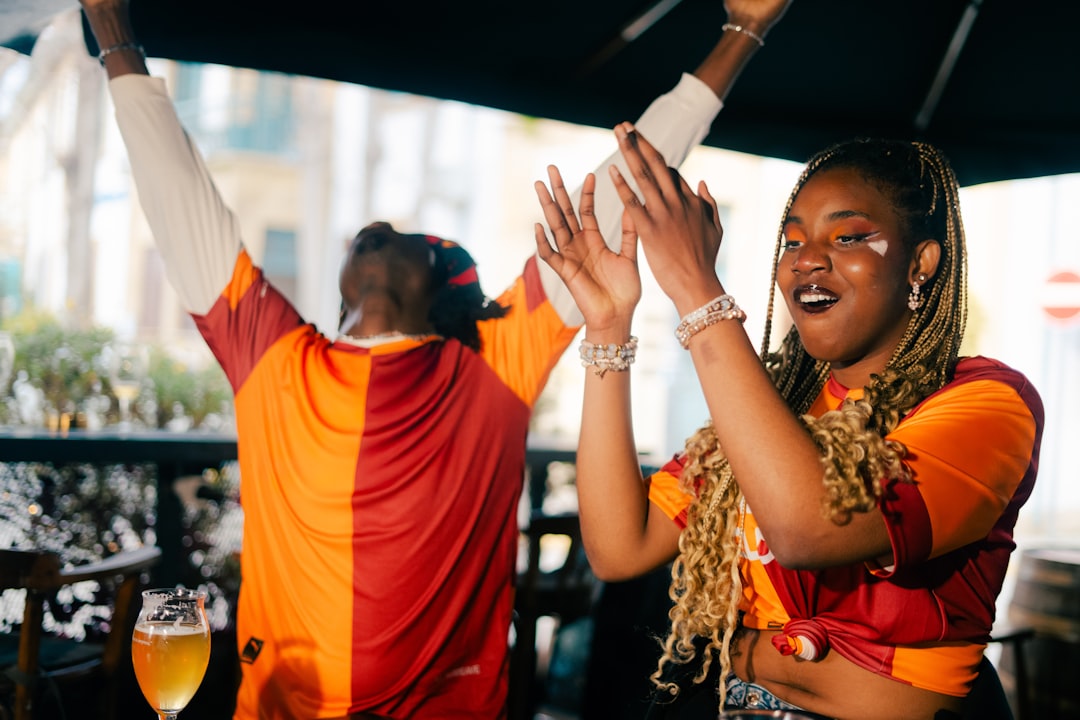
On Colombia match days — or Ecuador, or Argentina — Roosevelt Avenue begins transforming 2-3 hours before kickoff. Flags appear on the cars. Jerseys multiply in the streets. The restaurants fill, then the bars fill, then the streets outside fill. On big match days (Colombia vs Portugal, Ecuador vs Germany, Argentina vs anyone), the avenue becomes a spectacle visible from the elevated 7 train platform. The yellow of Colombia's jersey dominates.
The post-match street, win or lose, is its own experience. Wins produce celebrations that are genuinely extraordinary — cars honking, people in the streets, music from every restaurant. Losses produce a quieter grief that the community shares together over food. Either way, you want to be on the avenue.
Practical Guide
- Getting there: 7 to 82nd Street or E/F/M/R to 74th Street–Jackson Heights
- Arrive early: 60 minutes before kickoff for Colombia/Ecuador matches
- Cash: Bring $50-100 in small bills — many street vendors and smaller spots are cash only
- Hours: The avenue runs 24 hours — carts appear at 6am, restaurants close at 4am
- Best days: Any South American match day, plus Sunday lunches year-round
- Combination: Pair Jackson Heights with Flushing (7 train, one stop east) for the full Queens World Cup experience
Hotels in New York City
Book your NYC hotel for the World Cup. Compare prices and locations.